

We’re Building More Wind—But Are We Building a System?
I was recently sitting at a café in BGC, Manila when, halfway through a conversation about clean energy, the lights flickered for just a second. No one else seemed to notice, but I did. It was subtle—almost nothing—but it stuck with me. I’d just come from a meeting full of big ambitions, record growth numbers, and bold plans for energy storage/renewables. And yet, in that tiny moment, it felt like a quiet reminder: we’re building something incredible… but it’s not quite seamless yet.
That flicker wasn’t about a lack of energy. It was about timing.
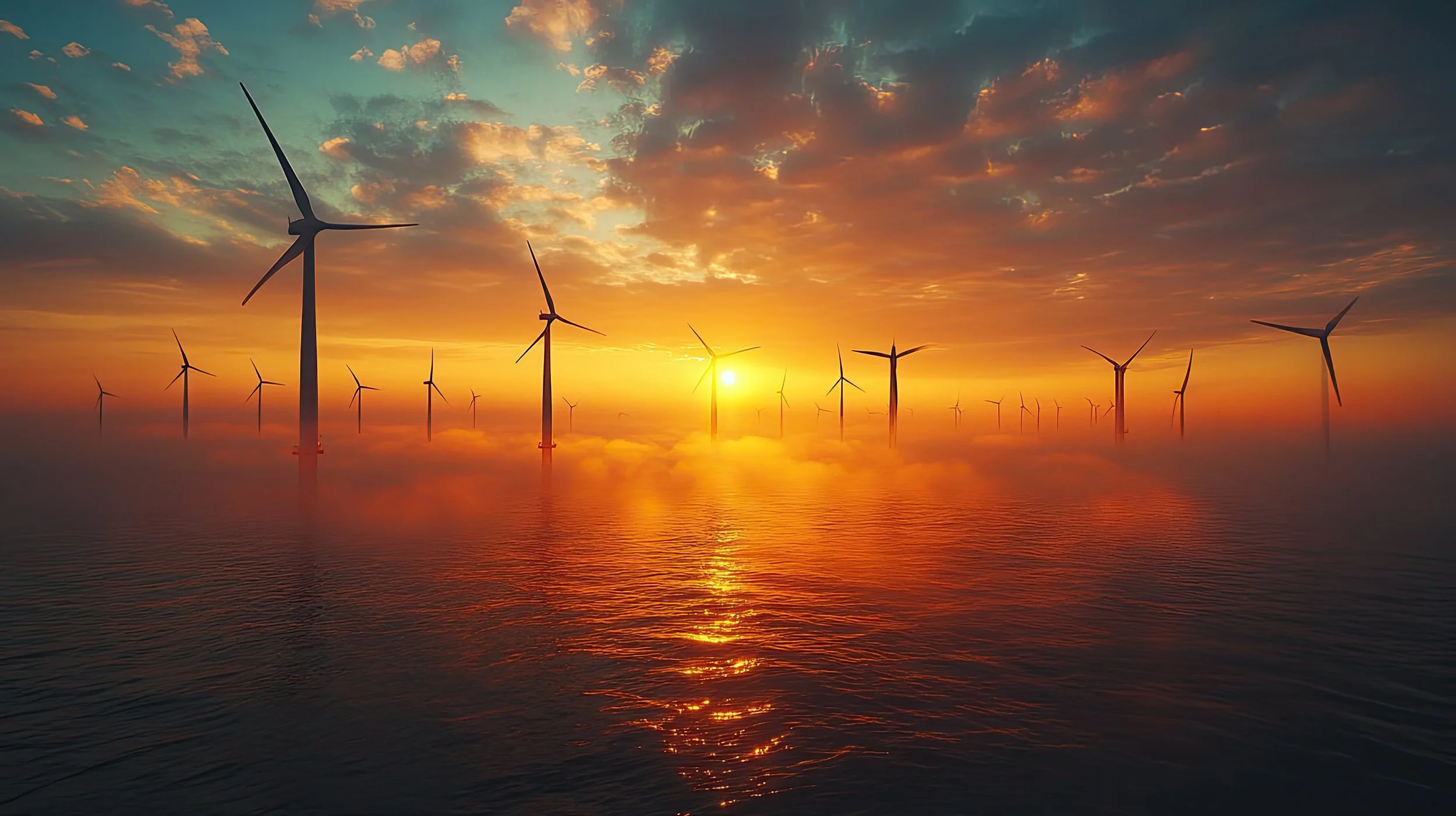
And that’s exactly what struck me reading the latest Global Wind Report from the Global Wind Energy Council (GWEC).
Wind Is Scaling Faster Than Ever
On paper, things look fantastic. In 2025 alone, the world added a record 165 GW of new wind capacity. Wind is scaling fast, costs are competitive, and it’s becoming a core part of how countries think about energy security. Not as a future idea, but as something they’re relying on right now.
You can feel the momentum.
But here’s the thing I keep coming back to.
The Problem Isn’t Generation Anymore
We’re no longer struggling to generate clean energy. We’re struggling to use it when we need it.
Wind doesn’t follow demand curves—it follows something far less predictable: the weather. Sometimes it over-delivers. Sometimes it’s quiet. And our grids weren’t originally designed for that kind of variability at scale.
So even as we build more wind, new challenges start to show up. Energy gets curtailed. Grids get congested. Power isn’t always available at the moment it’s needed most.
It’s a strange situation. We’re producing more clean energy than ever… and still not fully capturing its value.
The GWEC report points directly to this shift. The conversation is moving beyond simply adding capacity to managing system-level challenges—things like grid infrastructure, flexibility, and integration.
In other words, this isn’t really a generation problem anymore.
It’s a system problem.
Storage Is Becoming Part of the System
And for me, that’s where battery energy storage starts to make real sense.
Storage can’t be viewed as an add-on anymore. It’s becoming what makes the whole system work.
It’s the buffer. The stabiliser. The piece that quietly sits in the background, absorbing excess energy when there’s too much and releasing it when there’s not enough. It turns something variable into something dependable.
Without it, you get flickers—literal or metaphorical.
With it, you start to get something that feels like a proper energy system.
What’s interesting is how quickly this shift is happening. A few years ago, storage felt like the next step. Now it feels essential. Almost assumed.
The Shift Is Already Showing Up in Policy
And it’s not just theory anymore—it’s starting to show up in policy. In markets like the Philippines, for example, new renewable projects are now being required to include a minimum level of BESS. It’s a clear signal that storage isn’t optional. It’s part of the system by design.
Wind Pushes Storage Harder Than Most People Realise
At the same time, anyone who’s worked with wind knows it’s not the easiest partner for batteries. The variability is sharper. The charge and discharge patterns are less predictable. It puts more stress on how systems are designed and how cells are managed over time.
That’s something we’ve spent a lot of time getting right.
Because if storage is going to sit alongside wind at scale, it has to do more than just work—it has to work reliably, over long periods, under real-world conditions. Not just in ideal scenarios, but in the messy, variable reality of wind generation.
At Altilium, our systems are designed with that variability in mind—so we can support wind applications with the same level of consistency and confidence typically associated with more stable renewable generation, like solar.
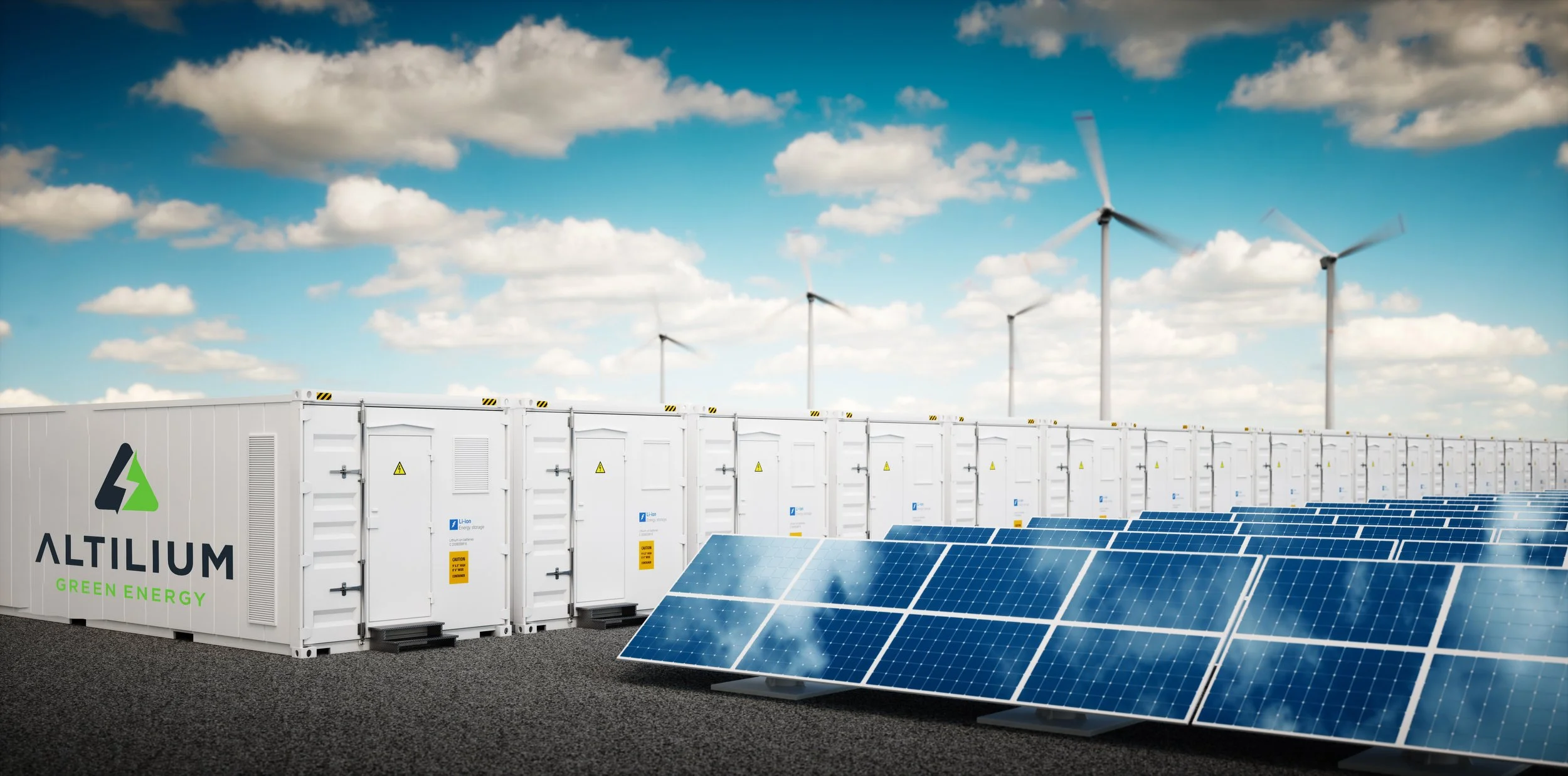
What I find encouraging is that this is becoming more achievable. With better system design, smarter control, and more intelligent ways of managing how batteries operate, we’re starting to see storage handle wind in a much more stable and predictable way.
The Future of Wind Depends on What Sits Beside It.
And that matters. Because it means wind doesn’t just scale—it matures.
So maybe the real story behind all those impressive wind numbers isn’t just about turbines going up.
Maybe it’s about what sits alongside them.
The systems we build around wind will determine how far it can go. Not just how much we install, but how well it performs. How reliable it feels. How much trust people have in it.
That little flicker in the café reminded me of something simple: people don’t think about gigawatts or capacity targets. They think about whether the lights stay on.
So, as we push forward with wind - and we absolutely should - the question I keep coming back to is this: Are we building more energy…or are we finally building a system that actually works when it matters most?